

๐€ ๐’๐ข๐ฌ๐ญ๐ž๐ซ๐ก๐จ๐จ๐ ๐จ๐Ÿ ๐‚๐š๐ซ๐ž: ๐…๐ซ๐จ๐ฆ ๐†๐ซ๐š๐ง๐๐ฆ๐šโ€™๐ฌ ๐Œ๐š๐ญ ๐ญ๐จ ๐ญ๐ก๐ž ๐Œ๐จ๐๐ž๐ซ๐ง ๐’๐ฉ๐š

There are days when sisterhood shows up not in speeches or declarations, but in simple acts of care. Today, on a Sabbath, I found myself at a spa with women who have, over the years, become more than colleagues. They have become sisters. We had decided, almost on a whim earlier this week, that we had neglected ourselves for far too long. A WhatsApp group was created, and when I jokingly asked, โ€œWho is the sponsor? Iโ€™m very, very broke,โ€ one of them responded: โ€œDonโ€™t worry, we will take care of it.โ€ Another sister volunteered to cover my bill entirely and she surely did.

It felt spontaneous, yet divine. Only a few weeks ago, in conversation with church elders, I had lamented how long it had been since my last proper spa visit. I spoke of the toll economic hardships had taken, how both time and money had conspired against me, making such care feel impossible. I never imagined that God, who hears even our quietest laments, would provide through a caring sisterhood. What felt like a whim was, in truth, an answered prayer.

๐™’๐™๐™š๐™ฃ ๐™‰๐™š๐™š๐™™๐™š๐™™ ๐˜พ๐™–๐™ง๐™š ๐™๐™ž๐™ฃ๐™™๐™จ ๐™”๐™ค๐™ช ๐˜ผ๐™›๐™ฉ๐™š๐™ง ๐™”๐™š๐™–๐™ง๐™จ

The last time I had a proper spa visit was in Nepal three years ago, and before that in Nairobi, three months before Nepal’s. Since then, my life has been caught between village and town, between economic hardships and demanding schedules. A spa visit often felt like a luxury that belonged to another world. When I had time, I didnโ€™t have money. When I had money, there was no time, or no spa in sight.

But today was different. I wasnโ€™t just lying on a massage table for relaxation. Something unique happened. I reflected more deeply than I ever had during any past spa visit. I remembered my grandmother, my roots, and the generations of women who had always known the importance of such care.

๐™’๐™ค๐™ข๐™š๐™ฃ ๐™ƒ๐™–๐™ซ๐™š ๐˜ผ๐™ก๐™ฌ๐™–๐™ฎ๐™จ ๐˜ฝ๐™ช๐™ž๐™ก๐™ฉ ๐™Ž๐™ฅ๐™–๐™จ ๐™ค๐™› ๐™๐™๐™š๐™ž๐™ง ๐™Š๐™ฌ๐™ฃ

As I lay there, my thoughts drifted to childhood memories of my late grandmother; Doruka in 2002. I once witnessed her receiving a massage not in a spa, but in the yard of our village home. Her co-wife (bother-in-law’s wife) had walked nearly 18 miles on foot carrying oil extracted from the African python. A mat was laid out behind the house, soap and oil were mixed, and the massage began. Grandma groaned as aching muscles found relief under careful hands. At the end, she thanked her co-wife profusely.

That was their spa with no scented candles, no background music, no white robes. Just sisterhood. Care rendered in the form and context they had.

It struck me today that spa culture is not foreign or wasteful, as some men (especially in my country) like to say. It has always been here, arranged differently, depending on resources and setting. Where money was scarce, women found other ways to minister to each otherโ€™s bodies. To dismiss it as indulgence is to erase a history of womenโ€™s care that is deeply embedded in our communities.

๐™Ž๐™ž๐™จ๐™ฉ๐™š๐™ง๐™๐™ค๐™ค๐™™ ๐™–๐™จ ๐™– ๐˜พ๐™–๐™ง๐™š ๐™€๐™˜๐™ค๐™ฃ๐™ค๐™ข๐™ฎ

Women have always understood something fundamental: survival and thriving require tending not only to the soul, but to the body. A proper bath, a rub, oils pressed into aching muscles; these were not luxuries but healing rituals. They were also acts of solidarity, where one woman said to another: “I see your pain, and I will help carry it for a while.”

Todayโ€™s spa experience, paid for by my sisters, mirrored the same dynamic. It wasnโ€™t about luxury, but about a care economy that women build when systems around them fail. In a world where economic hardships and cultural dismissals push women to the margins, such acts of collective care remind us that sisterhood is wealth.

๐™Ž๐™–๐™—๐™—๐™–๐™ฉ๐™ ๐™๐™š๐™จ๐™ฉ, ๐™๐™š๐™ž๐™ข๐™–๐™œ๐™ž๐™ฃ๐™š๐™™

I had worried about missing church fellowship this Sabbath, so I attended mid-week prayers to remain spiritually grounded. Yet as the week wore on, I also felt an increasing need for deeper physical rest. I do daily exercise, at least 20 minutes without fail under normal circumstances but I knew deep down that a spa visit would be uniquely therapeutic, a way to truly fill my cup.

So instead of being in church today, I chose to tend to my body. I realized that healing my muscles and quieting my spirit was the rest I needed most at this time. This wasnโ€™t about indulgence or income, it was about health, wholeness, and renewal. The Bible reminds us, โ€œThe Sabbath was made for man, not man for the Sabbathโ€ (Mark 2:27). What better way to honor the essence of Sabbath than to rest body and soul in the fellowship of sisters?

The quietness of the spa, the healing touch, the laughter we shared, it was fellowship in its own right. It was rest redefined, rooted not in ritual alone, but in the wholeness that God intended when He commanded His children to rest.

๐™๐™š๐™ฉ๐™๐™ž๐™ฃ๐™ ๐™ž๐™ฃ๐™œ ๐™ˆ๐™–๐™จ๐™˜๐™ช๐™ก๐™ž๐™ฃ๐™ž๐™ฉ๐™ฎ ๐™–๐™ฃ๐™™ ๐˜พ๐™–๐™ง๐™š

Today’s experience also reminds me of another truth: my grandfather knew his brotherโ€™s wife was coming to massage his own wife, and he respected it. He understood its importance. That quiet acceptance stands in stark contrast to the dismissive attitudes I see among many men today, who scoff at spa experiences for women as wasteful. Perhaps they do not realize that their grandmothers and great-grandmothers had their own versions of spas, long before there was money in circulation. To belittle such practices is not wisdom; it is ignorance of oneโ€™s own cultural heritage.

๐™๐™๐™š ๐™๐™–๐™ ๐™š๐™–๐™ฌ๐™–๐™ฎ: ๐™Ž๐™ž๐™จ๐™ฉ๐™š๐™ง๐™๐™ค๐™ค๐™™ ๐™ž๐™จ ๐™Ž๐™ช๐™ง๐™ซ๐™ž๐™ซ๐™–๐™ก

Today, as I enjoyed the care of my sisters, I realized we were not just pampering ourselves. We were continuing a tradition of women holding each other up, of creating systems of care where none exist, of affirming that our bodies too are worthy of attention.

I walked out of the spa carrying not just relaxation, but resolve. I will work hard to afford regular spa visits without shame. I will seek a partner who does not see caring for the body as frivolous. And I will cherish the sisterhood that reminds me, sometimes through simple acts, that I am seen, carried, and loved.

Because in the end, a sisterhood of care is not just about massages or baths. It is about women saying to each other: “you deserve ease, you deserve relief, you deserve joy.”

And that is something worth passing from one generation to the next.
๐–๐ก๐ž๐ง ๐Š๐ข๐ง๐๐ง๐ž๐ฌ๐ฌ ๐‘๐ข๐ฌ๐ค๐ฌ ๐๐ž๐ข๐ง๐  ๐Œ๐ข๐ฌ๐ข๐ง๐ญ๐ž๐ซ๐ฉ๐ซ๐ž๐ญ๐ž๐

Kindness, generosity, and empathy are among the most beautiful virtues a human being can embody. For some of us, they flow as naturally as breathing. They are not calculated but instinctive, born of a deep conviction that to treat others well is not just moral but deeply human. Yet, life has a way of testing even the noblest instincts. With time and experience, I have learned, sometimes painfully, that kindness, when offered without caution, can be misread, mishandled, and even weaponized.

As a child, I was captivated by the golden rule: “๐˜ฟ๐™ค ๐™ช๐™ฃ๐™ฉ๐™ค ๐™ค๐™ฉ๐™๐™š๐™ง๐™จ ๐™–๐™จ ๐™ฎ๐™ค๐™ช ๐™ฌ๐™ค๐™ช๐™ก๐™™ ๐™๐™–๐™ซ๐™š ๐™ฉ๐™๐™š๐™ข ๐™™๐™ค ๐™ช๐™ฃ๐™ฉ๐™ค ๐™ฎ๐™ค๐™ช.” I took it literally, pouring myself wholeheartedly into every act of care or generosity. It felt simple, pure, and right. But adulthood revealed a more complicated reality. In the real world, kindness is not always mirrored. Sometimes, it is exploited. Worse still, it can be misunderstood as weakness, desperation, or a plea for validation. A gesture meant to uplift another can be twisted into a narrative of neediness, manipulation, or apology, even when the giver expects nothing in return.

This misinterpretation becomes most cruel when kindness follows conflict. Offer a helping hand to someone who has wronged you, and they may not see it as an act of grace but as a tactic to regain favor. They may not interpret it as strength but as dependence. And so, I find myself cautious, perhaps too cautious. I now hesitate to extend kindness to those who have dismissed or devalued me, unless conscience compels me because no one else is present and the matter is one of life and death.

The distortion grows sharper in unequal relationships. When kindness flows upward to a senior, an elder, or someone of higher social standing, it often goes unacknowledged. Should the bond sour, the dominant narrative will likely paint them as the benefactor and you as the dependent, no matter the truth. Status has a way of rewriting history in its favor, and kindness rendered downward is easily erased, unless honesty intervenes.

And so I wonder, must virtues like kindness, generosity, and empathy always be offered under the vigilant guard of wisdom? Must they be rationed and directed only where they will not be misunderstood? It feels almost sacrilegious to say so, but I find myself living with this caution. I withhold calls from friends who never return them lest I appear to be forcing myself into their lives. I refrain from offering help unasked, even when I know it is needed, lest thoughtfulness be mistaken for intrusion. I am deliberately learning the art of indifference, a survival skill I once despised.

Yet, in practicing this restraint, I sometimes fear I am betraying myself. Am I losing the essence of who I am, chiseling away at the generosity that once came so easily? Or am I simply maturing into a wisdom that knows kindness without discernment can be self-destructive? This is the paradox I live in: hurt has taught me caution, but caution threatens to harden me.

So I ask, quietly, humbly, perhaps vulnerably, do you wrestle with this too? Have you ever stood at the edge where kindness risks becoming a liability, where generosity feels like self-sabotage, and empathy feels like a burden? What do you turn to when the very virtues that once defined you now demand vigilance for your own survival?

Perhaps the deeper lesson is this: kindness must remain, but it must evolve. It must grow wiser, not weaker. It must be rooted not in the expectation of reciprocity but in the conviction of stewardship. And yet, it must also learn the boundaries that protect dignity. For even light must sometimes shield itself, lest it be mistaken for fire.

๐“๐ก๐ž ๐…๐ซ๐š๐ ๐ข๐ฅ๐ž ๐€๐ซ๐ญ ๐จ๐Ÿ ๐…๐ž๐ž๐๐›๐š๐œ๐ค: ๐–๐ก๐ฒ ๐’๐จ๐ฆ๐ž ๐‚๐จ๐ฅ๐ฅ๐ž๐š๐ ๐ฎ๐ž๐ฌ ๐๐ซ๐ž๐š๐ค ๐ˆ๐ง๐ฌ๐ญ๐ž๐š๐ ๐จ๐Ÿ ๐๐ฎ๐ข๐ฅ๐

Maggie walked into the conference room with a knot in her stomach. Her new marketing strategy had earned approving nods from the team, and for a brief moment she allowed herself to feel proud. But then Teddy spoke, and the air shifted.

โ€œThatโ€™s a solid plan, Maggie,โ€ she said, her tone polite but edged with dismissal. โ€œBut have you considered market volatility? Your numbers seem optimistic. And what about the new competitor that just launched?โ€

The silence was heavy. Maggieโ€™s triumph drained, replaced by the familiar sting of being exposed, second-guessed, and diminished. With Teddy, this was never about the work alone, it was about positioning.

๐—ช๐—ต๐—ฒ๐—ป ๐—™๐—ฒ๐—ฒ๐—ฑ๐—ฏ๐—ฎ๐—ฐ๐—ธ ๐—™๐—ฎ๐—ถ๐—น๐˜€ ๐˜๐—ผ ๐—•๐˜‚๐—ถ๐—น๐—ฑ

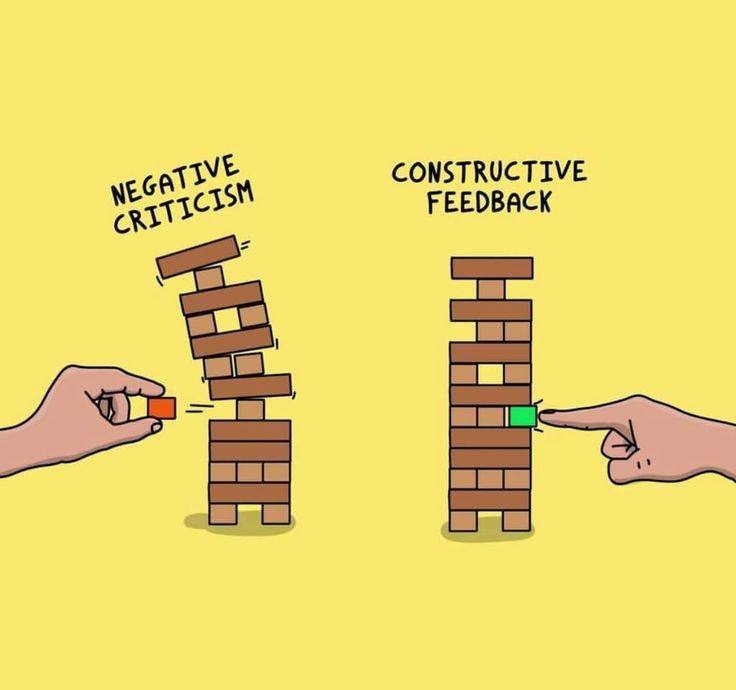
Feedback is meant to be an instrument of growth. At its best, it is a gift that helps colleagues see what they cannot, and offers guidance toward improvement. But in the wrong hands, feedback becomes fragile, stripped of care and twisted into critique for its own sake.

Teddy had mastered that fragility. She could find a crack in a diamond and present it as though it defined the whole stone. She saw her role not as a builder but as a breaker, never pausing to ask: Does this help the other person grow, or does it simply make them feel small?

๐—™๐—ฟ๐—ผ๐—บ ๐—–๐—ฟ๐—ถ๐˜๐—ถ๐—พ๐˜‚๐—ฒ ๐˜๐—ผ ๐—–๐—ต๐—ฎ๐—ฟ๐—ฎ๐—ฐ๐˜๐—ฒ๐—ฟ ๐—”๐˜€๐˜€๐—ฎ๐˜€๐˜€๐—ถ๐—ป๐—ฎ๐˜๐—ถ๐—ผ๐—ป

What makes such colleagues especially difficult is how they escalate when boundaries are set. Push back gently, and they raise the stakes. They may slip into subtle character assassination, remarks in meetings that undermine you, whispers that cast doubt on your competence, and reminders to others of mistakes long since corrected.

Their corrections rarely come clothed in care. Instead of feedback that strengthens, they deliver judgment that diminishes. Instead of pointing out a fault to guide you forward, they point it out to prove that without them you are nothing. What could have been constructive becomes corrosive.

Over time, this poisons the atmosphere. Colleagues dread collaboration, not because they lack skill, but because they know they will be left bruised rather than built.

๐—ง๐—ต๐—ฒ ๐—›๐—ผ๐—น๐—น๐—ผ๐˜„ ๐—ฃ๐˜‚๐—ฟ๐˜€๐˜‚๐—ถ๐˜ ๐—ผ๐—ณ ๐—ฅ๐—ฒ๐—ฐ๐—ผ๐—ด๐—ป๐—ถ๐˜๐—ถ๐—ผ๐—ป

This habit of breaking rather than building shaped Teddyโ€™s entire career. She pursued certificates, awards, and quick wins that showcased her superiority. She perfected internal presentations but neglected the long-term projects that required patience, humility, and collaboration.

Her approach to learning was extractive, absorbing knowledge from others but rarely giving credit. When she taught, it was never to uplift but to entrench her authority. To admit that others could teach her would have required vulnerability, and vulnerability threatened her fragile sense of worth.

The irony was sharp: while she accumulated accolades, the companyโ€™s most meaningful work often stumbled. The atmosphere of trust that sustains collaboration withered in the shadow of one personโ€™s need to outshine.

๐—–๐—ต๐—ผ๐—ผ๐˜€๐—ถ๐—ป๐—ด ๐—ก๐—ผ๐˜ ๐˜๐—ผ ๐—ฃ๐—น๐—ฎ๐˜† ๐˜๐—ต๐—ฒ ๐—š๐—ฎ๐—บ๐—ฒ

So how do you work with a colleague like Teddy?

The first step is to stop playing the game or competing. Her battlefield is built on insecurity; your strength lies in refusing to enter it. When she picks apart your work, resist the temptation to spar point by point. A calm acknowledgment like, โ€œThatโ€™s an interesting perspectiveโ€, followed by a redirection to the task at hand often disarms the tension.

Second, safeguard your contributions. Document your work. Not as weapons, but as shields because clarity protects against distortion.

Most importantly, remember that her words are not mirrors of your worth. Her critiques are not verdicts, but reflections of her own insecurity. You are not in competition with her, unless you consent to be.

๐—ง๐—ต๐—ฒ ๐——๐—ฒ๐—ฒ๐—ฝ๐—ฒ๐—ฟ ๐—Ÿ๐—ฒ๐˜€๐˜€๐—ผ๐—ป

The fragile art of feedback lies in knowing that words can either construct or corrode. To build requires humility, compassion, and wisdom. To break requires only insecurity.

Most workplaces have a Teddy. And if we are honest, most of us have moments when we have been Teddy. The temptation to secure worth by cutting others down, to win by exposing rather than uplifting, is deeply human. But the measure of true leadership lies in resisting that temptation.

Feedback that bruises is easy. Feedback that builds is rare. One tears people down to preserve power; the other strengthens them so that collective success becomes possible. The former creates tension; the latter creates trust.

Teddyโ€™s story is a cautionary tale. It reminds us that in every team, the real power lies not in competing to look strong, but in contributing to make others stronger. For in the end, the legacies that endure are not written by those who break, but by those who build.

๐€๐๐ฏ๐จ๐œ๐š๐ญ๐ž๐ฌโ€™ ๐‚๐ข๐ญ๐ฒ: ๐€ ๐๐ซ๐ž๐œ๐ž๐๐ž๐ง๐ญ ๐“๐ก๐š๐ญ ๐ƒ๐ž๐ฆ๐š๐ง๐๐ฌ ๐‚๐š๐ซ๐ž๐Ÿ๐ฎ๐ฅ ๐’๐œ๐ซ๐ฎ๐ญ๐ข๐ง๐ฒ

Advocates in South Sudan have long carried the important duty of defending rights when few dared, and they remain an essential pillar of our fragile democracy. Their contribution deserves recognition. Yet recognition should not come at the expense of principles that safeguard fairness, transparency, and accountability.

The governmentโ€™s recent allocation of land for an โ€œAdvocatesโ€™ City,โ€ where each advocate is to receive a plot, is therefore not simply a gesture of appreciation. It is a decision that sets precedent. In policy terms, precedents matter because they create reference points for future allocations and shape how resources are understood, distributed, and justified.

History offers important lessons. There have been precedents where the government of the day allotted land to associations and fraternities, but these allocations were typically for office premises to facilitate collective work, not for private ownership. Another example is the allocation of land in Nyakuron South during the interim government period, where legislators, army generals, and ministers were given surveyed plots upon payment. While many were able to acquire and develop the land, those unable to do so often sold their plots, leading to private transactions far removed from the original policy intent. These experiences caution us that such decisions, however well-intentioned, can evolve into outcomes that reinforce inequality and speculation rather than serve the public good.

This is why transparency is critical. In the case of the Advocatesโ€™ City, no publicly known guidelines have been communicated. If such guidelines exist, it was the duty of the Bar Association leadership to make them public, both to educate citizens and to prevent misunderstandings. Transparency in land allocation is not a courtesy, it is a governance obligation that strengthens trust in institutions.

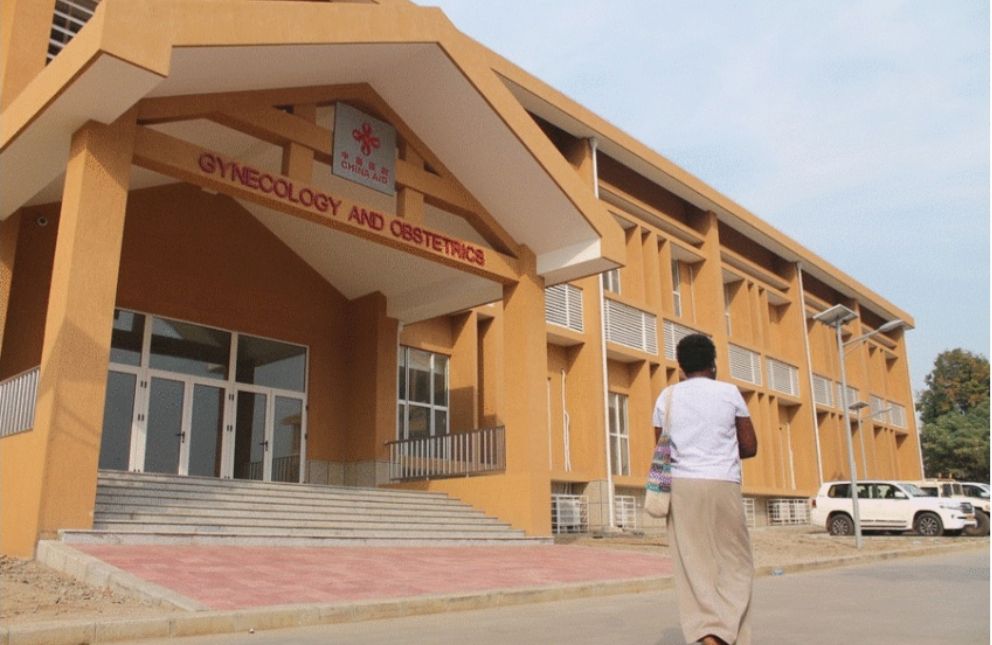
The broader policy question is one of priorities. In a country where many families remain displaced without adequate shelter, and where most state hospitals lack land even to accommodate on-call health workers, often relying on colonial-era buildings in disrepair, the allocation of an entire โ€œcityโ€ to one profession sends a troubling signal. Land is not just property in South Sudan; it is livelihood, identity, and survival. When it is distributed as reward and for private ownership, the risks of exclusion, resentment, and conflict are heightened.

Moreover, advocates occupy a unique role in society. They are expected to hold government and elites accountable. If they are instead perceived as beneficiaries of privileged allocations, their independence and credibility may be questioned. This does not serve the profession, nor the wider public interest.

Silence around this issue compounds the challenge. The media has not raised it, civil society has barely engaged it, and professional voices remain quiet. Yet policy decisions of this magnitude should not pass unnoticed. Open debate ensures legitimacy, and without it, perceptions of favoritism will linger.

The issue is not whether lawyers deserve improved working conditions. They do, just as other professions do. The issue is how such improvements are pursued: through what process, with what safeguards, and in alignment with which national priorities.

South Sudan stands at a stage where policy decisions must reflect fairness, transparency, and equity. The Advocatesโ€™ City, if allowed to proceed without scrutiny, risks becoming a precedent that normalizes privilege rather than one that builds stronger institutions. This is why it deserves measured but serious public attention. I sincerely hope it will eventually get the measured attention it should have gotten.

๐–๐ก๐ž๐ง ๐‡๐จ๐ฆ๐ž๐ฌ ๐„๐ฑ๐ฉ๐ฅ๐š๐ข๐ง ๐๐š๐ญ๐ข๐จ๐ง๐ฌ

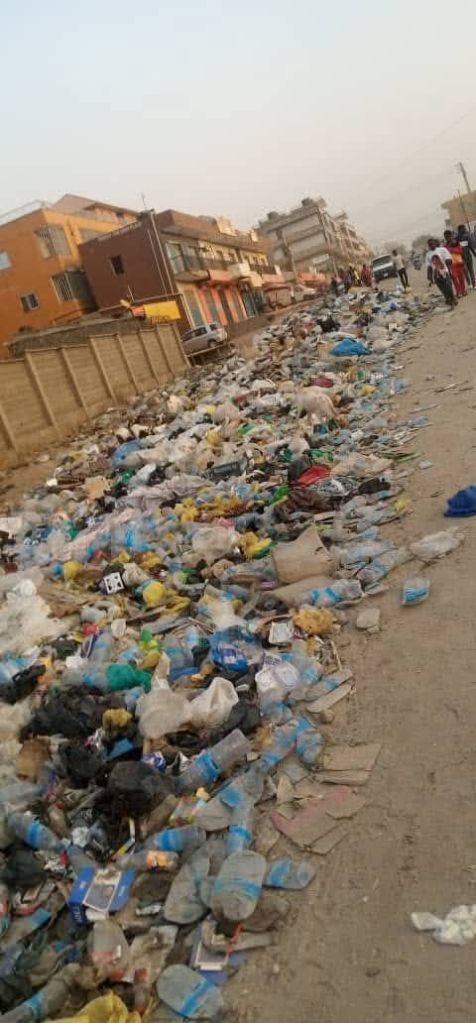
Poorly disposed off garbage on one of Juba’s streets.

I have always loved clean and organised spaces. Thereโ€™s a calm that comes with them, a sense of order that sharpens my mind. On the days I leave home tidy, my thoughts flow with clarity, and I often find myself more productive and patient. But the few times Iโ€™ve rushed out leaving my home in disarray, the day almost always mirrors that chaos. Things scatter, time slips, small problems magnify, and I return in the evening only to be greeted by the same disorder I carried with me all day.

I have also noticed something else. Whenever a home or office is dirty, arguments sprout easily. People snap at each other over little things. Chaos thrives where cobwebs and clutter are allowed to reign. But in clean, ordered spaces, even modest ones, disagreements soften. People breathe easier, listen longer, and find solutions faster. Hygiene and order are not about vanity. They are about harmony of the mind and community.

Now imagine this truth at the level of a nation. Too many of those entrusted with running South Sudan live in disorganised homes. Cobwebs in the living rooms, dirty bathrooms, garbage tossed carelessly, the same cup passed around for water, are all what characterise their homes. If disorder is normal at home, is it any wonder that our public life mirrors the same? That traffic officers are chosen not by competence but by kinship? That implementing a peace agreement has failed? That garbage fills streams or spaces under bridges, or that spitting in public is seen as nothing unusual? Disorganisation, left unchecked, becomes a governing philosophy.

The reset South Sudan needs begins not with decrees or slogans, but with households where every member owns a duty: sweeping compounds, disposing of waste properly, rising early to leave a clean home, making every dwelling livable. For when our homes are schools of order, our communities will inherit clarity, and with clarity, we will resolve conflicts with reason rather than fists or guns.

In the end, nations are only reflections of the homes we keep. If you want to know the future of South Sudan, look first at the state of its living rooms and compounds.

๐ˆ๐ง ๐ƒ๐ž๐Ÿ๐ž๐ง๐ฌ๐ž ๐จ๐Ÿ ๐Œ๐ž๐๐ข๐œ๐š๐ฅ ๐ˆ๐ง๐ญ๐ž๐ซ๐ง๐ฌ: ๐“๐ก๐ž ๐‡๐ž๐š๐ซ๐ญ๐›๐ž๐š๐ญ ๐จ๐Ÿ ๐Ž๐ฎ๐ซ ๐‡๐จ๐ฌ๐ฉ๐ข๐ญ๐š๐ฅ๐ฌ

In South Sudan today, it is not uncommon to hear frustration expressed about Juba Teaching Hospital being โ€œrun by interns.โ€ The assumption, often said in anger, is that this automatically means substandard care. But this view is both unfair and uninformed. Having walked the wards and lived this reality, I want to offer a different perspective, one grounded in lived experience and the wider truth of how health systems in our region function.

South Sudanese healthcare workers, whether in public hospitals, private facilities, or under NGOs, are among the least paid in the region. Ethiopia, too, struggles with poor pay, which is why so many of its best doctors migrate in search of greener pastures. What this translates to here at home is a survival economy of care. The doctors cannot rely on a public hospital salary alone. They work at Juba Teaching Hospital or any other public health facility to serve the less privileged, but they also rotate through private facilities where middle-class patients can pay, just to fill the gap left by meagre public income. The result is a schedule stretched across three or four workplaces a week. And yes, this means consultants and specialists may not always be physically present at the teaching hospital. Yet absence does not mean abandonment. Senior doctors ensure they are available for remote consultation, showing up when something beyond interns requires their physical presence, and the day-to-day running of wards is entrusted to medical officers and medical interns.

It is important to clarify who medical interns are. They are not random volunteers or students in training. They are already doctors. They are graduates holding a Bachelor of Medicine and Bachelor of Surgery, licensed temporarily by the South Sudan General Medical Council (SSGMC) to practice. By the time they step into internship, they have rotated across wards, performed procedures under supervision, and mastered the foundations of medicine. Internship exists precisely because medicine is a profession of practice as much as knowledge. The system assumes that, with a few days or weeks of close supervision, a medical intern can competently run a ward. And often, they do. Across Africa, interns are the unseen workforce keeping hospitals alive. Many people today owe their lives to an intern who could not skive a shift because their seniors required accountability, and so they stayed to resuscitate, stitch, prescribe, or simply hold the line until help arrived.

I say this not only as an observer but as one who has lived the life of a medical intern. During my internship in Kenya, I once ran an entire department for four weeks almost alone. The consultant and medical officer provided wonderful supervision and guidance, but they were not always present. It meant I was overstretched, which I would never recommend as a healthy norm, yet it proved beyond doubt that an intern can keep a department running. I also vividly recall a 36-hour stretch where I had to perform thirteen caesarean sections, with only the scrub nurse assisting me. As the intern on call, I had no excuses to hide behind. The mothers and babies could not wait, and I had to deliver care competently, decisively, and tirelessly. These experiences are not unique to me, they reflect what medical interns across Africa face daily. And so, when people dismiss interns, I cannot help but remind them that hospitals run because interns show up, endure, and deliver.

To dismiss medical interns as incapable is to erase the very backbone of healthcare in fragile systems. It is also to misunderstand how learning or teaching hospitals operate. Globally, teaching hospitals, from Nairobi to Kampala, Addis Ababa to Johannesburg, run on the shoulders of interns. Consultants guide, medical officers support, but it is the interns who do the daily grind that keeps patients alive. Yes, they are still learning. But learning in medicine is not an excuse for incompetence. Learning is the design of the profession itself and everyone in it learns until their last breath. The Hippocratic tradition expects every doctor to be sharpened in practice.

If there is outrage, let it not be about medical interns. Let it be about why we have forced a generation of doctors to become part-time workers in their own public hospitals. Let it be about the erosion of policies that once recognized internship as a paid, structured, and respected pathway. Let it be about corruption and uncaring leadership that budget less than 2% for health and then turn to blame the very health workers they underpay and overburden.

The real question is not whether medical interns are capable, they are. The question is how to create conditions that allow both interns and their seniors to thrive. That begins with fair pay and retention so that healthcare workers are not forced to scatter across multiple workplaces simply to survive. It also requires structured supervision, with consultants consistently incentivized to spend more time mentoring interns and guiding them in real time. Equally important is restoring value to internship itself, recognizing it as a paid, protected stage of professional growth rather than cheap labour to be exploited. And above all, the public must demand accountability from leadership: national budgets should reflect health as a priority, not as an afterthought.

So yes, Juba Teaching Hospital is run by medical interns. But that is not the scandal. The scandal is that we undervalue them, underpay them, and then scapegoat or shadowbox them when systemic neglect shows itself. If you walked the wards as I have, you would see a different truth. Interns are not a weakness of our health system; they are its heartbeat. And perhaps the wisest thing we can do is not to sneer at them, but to protect, equip, and honor them. For in their hands, quite literally, rests the future of medicine in South Sudan.

๐‹๐ž๐š๐๐ž๐ซ๐ฌ๐ก๐ข๐ฉ, ๐’๐ญ๐จ๐ซ๐ฒ๐ญ๐ž๐ฅ๐ฅ๐ข๐ง๐ , ๐š๐ง๐ ๐ญ๐ก๐ž ๐’๐ข๐ฅ๐ž๐ง๐œ๐ž ๐ญ๐ก๐š๐ญ ๐‘๐จ๐›๐ฌ ๐”๐ฌ

Ms. Adut Salva Kiir, the new Senior Presidential Envoy on Special Programs meeting Dr. Benjamin Bol Mel, the Vice president for the economic cluster within a week of assuming office.

On 20th August 2025, the president of the Republic of South Sudan appointed his daughter Ms. Adut Salva Kiir as the Senior Presidential Envoy on Special Programs (SPESP). Since that day the, the public has heard little beyond the fact that she is the Presidentโ€™s first daughter and founder of Adult Salva Kiir (ASK) foundation. Her speeches have been scarce and, when offered, only hint at fragments: that she was born in hardship, that her struggles were part of the broader liberation struggle, and that she has an economic background. Admirable, yes, but woefully inadequate. These scraps do not amount to the kind of story that inspires a generation.

Sadly, this is not unique to her case. For most appointments announced by presidential decree, the media houses limit themselves to headlines:โ€œ๐’๐จ-๐š๐ง๐-๐ฌ๐จ ๐š๐ฉ๐ฉ๐จ๐ข๐ง๐ญ๐ž๐.โ€Little effort is made to go further. The public is rarely given a deeper understanding of the appointee. Their academic path, their track record, their professional contributions, and their worldview are not shared. Instead, we are left with names and hometowns, as though that alone should qualify someone to lead. The result is that people forget that leadership requires more than lineage, connections, or geography. It demands competence, vision, and experience.

When the media does not probe, society pays the price. A girl watching on television, or scrolling on social media, yearns to know not only the title but the journey. What studies shaped her? What obstacles did she overcome? What mentors, disciplines, or defining moments prepared her for this role? These are the details that plant seeds of possibility. Without them, leadership is reduced to titles, not lived merit.

The absence of information does not only rob inspiration, it undermines accountability. Leadership is not just about who you are related to; it is about the qualifications, discipline, and vision you bring to a role. Without critical questions from and answers dug by the media, the public cannot assess whether a leader has the requisite skills or even the basic qualifications for the task. In failing to demand answers, both governance and the standards by which leaders are judged, are weakened.

But the silence is not the mediaโ€™s alone. Those who claim to have known her since childhood, who have since been busy building support camps in her name, have offered no meaningful insight either. They too perpetuate the gap, preferring loyalty and praise over truth and detail.

And the leader herself bears responsibility. For women especially, telling oneโ€™s story comprehensively is not a luxury; it is a duty. When women ascend to high office but fail to share their journeys in ways that are authentic and complete, they deny younger generations, particularly girls a roadmap. The result is a leadership figure who feels distant, inaccessible, and uninspiring.

Leadership is not just about occupying a seat. It is about embodying a story that teaches, inspires, and sets standards. The media must do its job to probe and narrate. Leaders must embrace the duty of authentic storytelling. And as a society, we must demand both. For when stories remain untold, we do not only lose inspiration, we lose accountability, and we allow power to rest on titles alone.

๐“๐ก๐ž ๐๐จ๐ฅ๐ข๐ญ๐ž๐ง๐ž๐ฌ๐ฌ ๐‰๐ฎ๐ง๐ฎ๐›๐ข๐ง ๐Ž๐Ÿ๐ญ๐ž๐ง ๐ƒ๐จ๐ง’๐ญ ๐Š๐ง๐จ๐ฐ ๐ข๐ง ๐๐ž๐ญ๐ฐ๐จ๐ซ๐ค๐ข๐ง๐ 

A few weeks ago, I met a highly educated Junubi lady at a beauty parlour. I had seen her before in professional spaces connected to work I had done in the past, though we were never friends, nor did we share mutual friends. As is my habit with acquaintances, I greeted her politely and then sat down to get my nails done.

After a while, she turned to me and asked, โ€œWhich hospital do you work at? By the way, I donโ€™t know where you work or what you do. Which doctor are you?โ€ She knows from meetings in the professional spaces that I am a doctor. She asked with a dismissive look. Her words unsettled me. Not because curiosity is wrong, but because the phrasing carried little courtesy or respect.

Over the years, I have often encountered similar interactions, usually from Junubin, and often women, where the opening line is, โ€œBy the way, I donโ€™t know what you do,โ€ without first talking about themselves to make the other person not feel weird. Each time, I am left feeling diminished, or interrogated. Unless I extend compassion and remind myself that perhaps the person simply lacks the finesse of good communication for networking, the moment feels more like a dismissal than a genuine interest.

Such openers may sound harmless, but they carry undertones of condescension. They suggest that the other person is yet to prove their worth, as if curiosity is a license to pry without first offering respect. The result is poor networking. The one asked feels unsafe, and the one asking appears unskilled in people relations.

A more graceful way to know what an acquaintance or stranger does exists. Start with yourself: โ€œI work in this field and Iโ€™m curious about what you do nowadays.โ€ Or, โ€œIโ€™ve heard a little about your work and would love to know more.โ€ This transforms the conversation into an exchange rather than an interrogation. Networking, after all, is not about cornering people with blunt questions. It is about cultivating trust through humility, courtesy, and genuine interest.

As for me, the next time someone asks in that manner, I may not extend silent compassion. Instead, I will gently but firmly ask: โ€œWhy do you phrase your question in a way that feels dismissive? Is that how you would want to be asked about your work, and how would you feel?โ€ On good days, I will respond with, “Thanks for asking. How about we start with you. What are you doing with your life nowadays?” For sometimes, wisdom is not in enduring poor manners quietly, but in helping others see how to do better.