
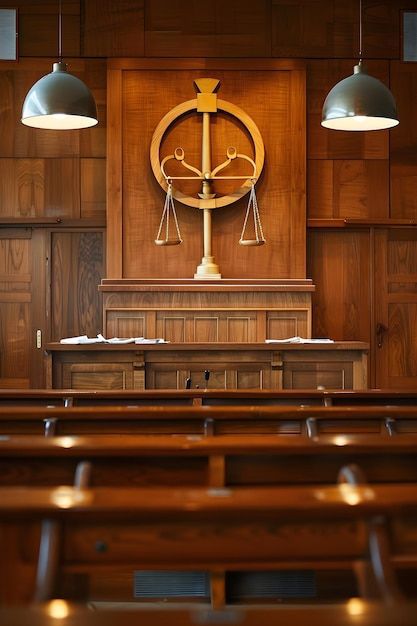
This morning, the Court in Juba is set to hear the case of the now-suspended First Vice President of South Sudan, Dr. Riek Machar Teny, chairman of the Sudan People’s Liberation Movement in Opposition (SPLM/IO), alongside other high-profile figures accused of treason and related charges. It is a politically charged trial with weighty implications for our fragile peace. But as a citizen, one cannot help but observe that on days such as this, justice for the powerful often casts a long shadow over the ordinary.
The precise venue, whether the High Court or Freedom Hall matters less than the pattern. Both lie within Juba’s central business district, a space interwoven with vital arteries of public life. Around these venues are Juba Teaching Hospital, the University of Juba, St. Joseph’s Catholic Parish, the national dialysis center, and countless offices, and small businesses that serve as the backbone of the city. These are not peripheral facilities; they are lifelines. Yet when high-profile trials are underway, roads are barricaded, security personnel line the streets, and pickups bristling with armed soldiers stand ready. The atmosphere is tense, intimidating, and in many ways traumatizing to ordinary civilians who only wish to access care, education, worship, justice, or other essential services.
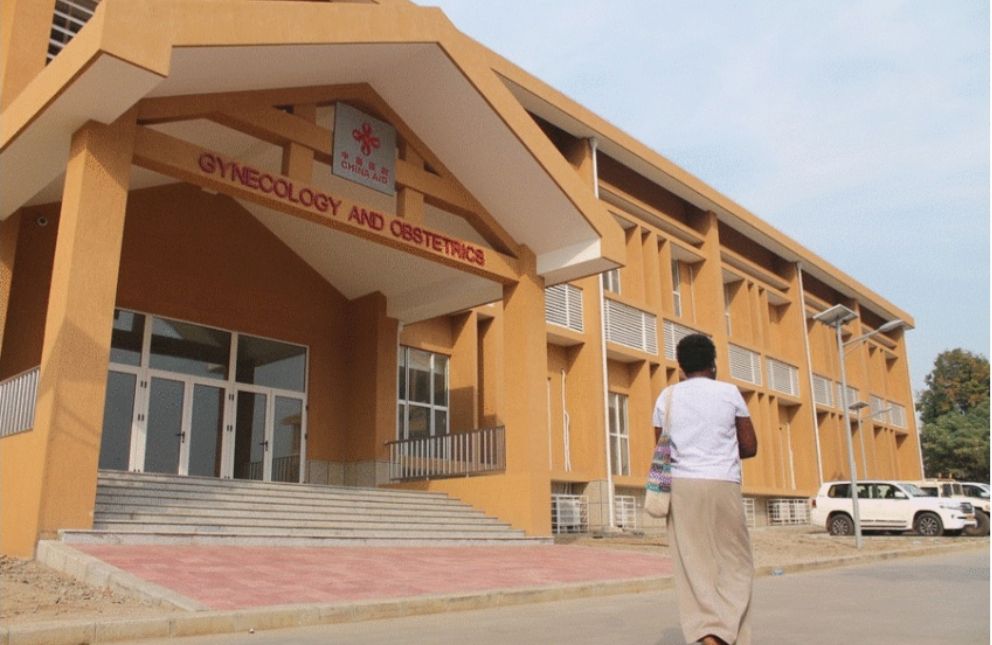
We have seen this before. In 2014, when the famous former political detainees were tried at the high court, access was curtailed in exactly this manner. Ordinary citizens with scheduled hearings found themselves in fear of being turned away and told their matters would have to wait. Pregnant women due for antenatal care or delivery hesitated to approach the hospital. A parent or guardian with a child in need of an urgent vaccine was likely deterred by the sight of guns. Today, patients needing dialysis will likely face the same fear of restricted access. Those who are desperate and brave will have to contend with the indignity of navigating back roads, roads barely passable even for ordinary vehicles. In these moments, the state’s solemn duty to protect life and uphold justice for all is quietly undermined.
This is not simply an inconvenience. It is a violation of fundamental rights. Access to justice is impeded when ordinary citizens are told, implicitly or explicitly, that their day in court must, or could be postponed because a more “important” case is underway. Access to health is obstructed when the atmosphere of fear keeps patients away from essential services. Access to faith and education is compromised when worshippers or students cannot safely approach their parish or university.
What is striking is the absence of communication. When the government announces trials of this magnitude, there is no prior assurance to citizens that their rights to health, justice, education, and worship will not be impeded. There are no proactive measures such as rerouting plans for patients and providers (doctors, nurses, and others), special lanes for service users, or public guidance to reduce fear. The silence is deafening, and it leaves the impression that ordinary people are expendable collateral on days when the powerful are on trial.
South Sudan must do better. High-profile trials are an inevitable part of any country’s democratic and legal evolution. But they must not come at the expense of the ordinary. Government institutions should recognize their duty of care: to ensure that, alongside announcements of such trials, there are concrete, safe, and dignified parallel measures that safeguard uninterrupted access to justice for others, to health for patients, to worship for the faithful, and to education for students.
Justice cannot be said to exist if its pursuit for a few obstructs the rights of the many. The health of our democracy and the health of our people depend on the same principle: no one should be denied access to essential services because the powerful are before the bench.
One day, South Sudan will have to confront not just how justice is dispensed for the high and mighty, but also how it is quietly denied to the ordinary when the state forgets that its first duty is to all its citizens. Until then, the barricades around our courts and Freedom Hall will stand not just as symbols of security, but also as symbols of exclusion.









 Koiti Emmily