

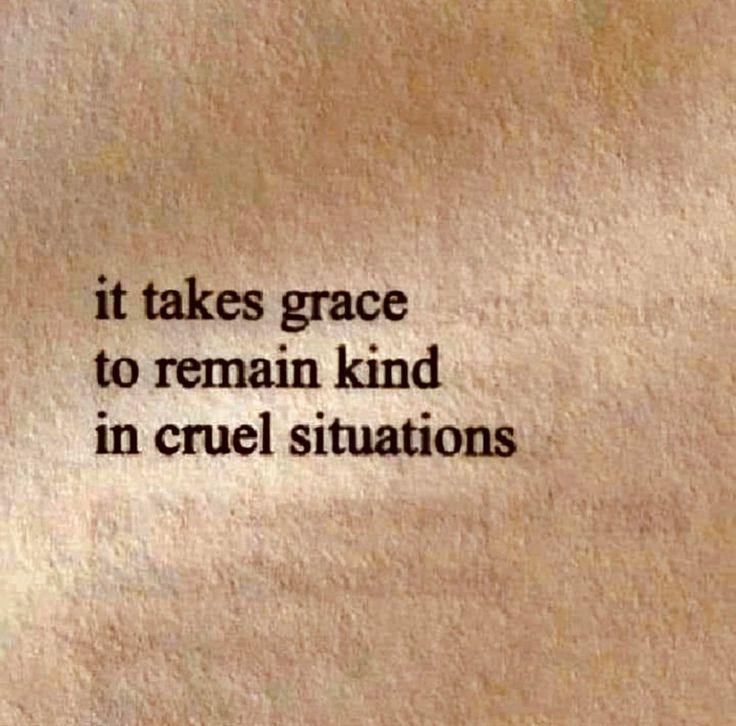
Kindness, generosity, and empathy are among the most beautiful virtues a human being can embody. For some of us, they flow as naturally as breathing. They are not calculated but instinctive, born of a deep conviction that to treat others well is not just moral but deeply human. Yet, life has a way of testing even the noblest instincts. With time and experience, I have learned, sometimes painfully, that kindness, when offered without caution, can be misread, mishandled, and even weaponized.
As a child, I was captivated by the golden rule: “𝘿𝙤 𝙪𝙣𝙩𝙤 𝙤𝙩𝙝𝙚𝙧𝙨 𝙖𝙨 𝙮𝙤𝙪 𝙬𝙤𝙪𝙡𝙙 𝙝𝙖𝙫𝙚 𝙩𝙝𝙚𝙢 𝙙𝙤 𝙪𝙣𝙩𝙤 𝙮𝙤𝙪.” I took it literally, pouring myself wholeheartedly into every act of care or generosity. It felt simple, pure, and right. But adulthood revealed a more complicated reality. In the real world, kindness is not always mirrored. Sometimes, it is exploited. Worse still, it can be misunderstood as weakness, desperation, or a plea for validation. A gesture meant to uplift another can be twisted into a narrative of neediness, manipulation, or apology, even when the giver expects nothing in return.
This misinterpretation becomes most cruel when kindness follows conflict. Offer a helping hand to someone who has wronged you, and they may not see it as an act of grace but as a tactic to regain favor. They may not interpret it as strength but as dependence. And so, I find myself cautious, perhaps too cautious. I now hesitate to extend kindness to those who have dismissed or devalued me, unless conscience compels me because no one else is present and the matter is one of life and death.
The distortion grows sharper in unequal relationships. When kindness flows upward to a senior, an elder, or someone of higher social standing, it often goes unacknowledged. Should the bond sour, the dominant narrative will likely paint them as the benefactor and you as the dependent, no matter the truth. Status has a way of rewriting history in its favor, and kindness rendered downward is easily erased, unless honesty intervenes.
And so I wonder, must virtues like kindness, generosity, and empathy always be offered under the vigilant guard of wisdom? Must they be rationed and directed only where they will not be misunderstood? It feels almost sacrilegious to say so, but I find myself living with this caution. I withhold calls from friends who never return them lest I appear to be forcing myself into their lives. I refrain from offering help unasked, even when I know it is needed, lest thoughtfulness be mistaken for intrusion. I am deliberately learning the art of indifference, a survival skill I once despised.
Yet, in practicing this restraint, I sometimes fear I am betraying myself. Am I losing the essence of who I am, chiseling away at the generosity that once came so easily? Or am I simply maturing into a wisdom that knows kindness without discernment can be self-destructive? This is the paradox I live in: hurt has taught me caution, but caution threatens to harden me.
So I ask, quietly, humbly, perhaps vulnerably, do you wrestle with this too? Have you ever stood at the edge where kindness risks becoming a liability, where generosity feels like self-sabotage, and empathy feels like a burden? What do you turn to when the very virtues that once defined you now demand vigilance for your own survival?
Perhaps the deeper lesson is this: kindness must remain, but it must evolve. It must grow wiser, not weaker. It must be rooted not in the expectation of reciprocity but in the conviction of stewardship. And yet, it must also learn the boundaries that protect dignity. For even light must sometimes shield itself, lest it be mistaken for fire.
 Koiti Emmily