

Maggie walked into the conference room with a knot in her stomach. Her new marketing strategy had earned approving nods from the team, and for a brief moment she allowed herself to feel proud. But then Teddy spoke, and the air shifted.
“That’s a solid plan, Maggie,” she said, her tone polite but edged with dismissal. “But have you considered market volatility? Your numbers seem optimistic. And what about the new competitor that just launched?”
The silence was heavy. Maggie’s triumph drained, replaced by the familiar sting of being exposed, second-guessed, and diminished. With Teddy, this was never about the work alone, it was about positioning.
𝗪𝗵𝗲𝗻 𝗙𝗲𝗲𝗱𝗯𝗮𝗰𝗸 𝗙𝗮𝗶𝗹𝘀 𝘁𝗼 𝗕𝘂𝗶𝗹𝗱
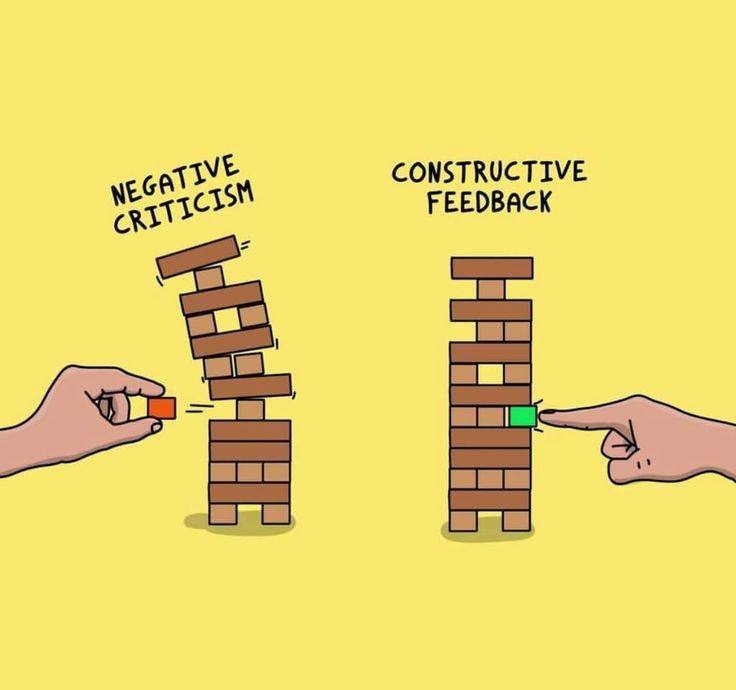
Feedback is meant to be an instrument of growth. At its best, it is a gift that helps colleagues see what they cannot, and offers guidance toward improvement. But in the wrong hands, feedback becomes fragile, stripped of care and twisted into critique for its own sake.
Teddy had mastered that fragility. She could find a crack in a diamond and present it as though it defined the whole stone. She saw her role not as a builder but as a breaker, never pausing to ask: Does this help the other person grow, or does it simply make them feel small?
𝗙𝗿𝗼𝗺 𝗖𝗿𝗶𝘁𝗶𝗾𝘂𝗲 𝘁𝗼 𝗖𝗵𝗮𝗿𝗮𝗰𝘁𝗲𝗿 𝗔𝘀𝘀𝗮𝘀𝘀𝗶𝗻𝗮𝘁𝗶𝗼𝗻
What makes such colleagues especially difficult is how they escalate when boundaries are set. Push back gently, and they raise the stakes. They may slip into subtle character assassination, remarks in meetings that undermine you, whispers that cast doubt on your competence, and reminders to others of mistakes long since corrected.
Their corrections rarely come clothed in care. Instead of feedback that strengthens, they deliver judgment that diminishes. Instead of pointing out a fault to guide you forward, they point it out to prove that without them you are nothing. What could have been constructive becomes corrosive.
Over time, this poisons the atmosphere. Colleagues dread collaboration, not because they lack skill, but because they know they will be left bruised rather than built.
𝗧𝗵𝗲 𝗛𝗼𝗹𝗹𝗼𝘄 𝗣𝘂𝗿𝘀𝘂𝗶𝘁 𝗼𝗳 𝗥𝗲𝗰𝗼𝗴𝗻𝗶𝘁𝗶𝗼𝗻
This habit of breaking rather than building shaped Teddy’s entire career. She pursued certificates, awards, and quick wins that showcased her superiority. She perfected internal presentations but neglected the long-term projects that required patience, humility, and collaboration.
Her approach to learning was extractive, absorbing knowledge from others but rarely giving credit. When she taught, it was never to uplift but to entrench her authority. To admit that others could teach her would have required vulnerability, and vulnerability threatened her fragile sense of worth.
The irony was sharp: while she accumulated accolades, the company’s most meaningful work often stumbled. The atmosphere of trust that sustains collaboration withered in the shadow of one person’s need to outshine.
𝗖𝗵𝗼𝗼𝘀𝗶𝗻𝗴 𝗡𝗼𝘁 𝘁𝗼 𝗣𝗹𝗮𝘆 𝘁𝗵𝗲 𝗚𝗮𝗺𝗲
So how do you work with a colleague like Teddy?
The first step is to stop playing the game or competing. Her battlefield is built on insecurity; your strength lies in refusing to enter it. When she picks apart your work, resist the temptation to spar point by point. A calm acknowledgment like, “That’s an interesting perspective”, followed by a redirection to the task at hand often disarms the tension.
Second, safeguard your contributions. Document your work. Not as weapons, but as shields because clarity protects against distortion.
Most importantly, remember that her words are not mirrors of your worth. Her critiques are not verdicts, but reflections of her own insecurity. You are not in competition with her, unless you consent to be.
𝗧𝗵𝗲 𝗗𝗲𝗲𝗽𝗲𝗿 𝗟𝗲𝘀𝘀𝗼𝗻
The fragile art of feedback lies in knowing that words can either construct or corrode. To build requires humility, compassion, and wisdom. To break requires only insecurity.
Most workplaces have a Teddy. And if we are honest, most of us have moments when we have been Teddy. The temptation to secure worth by cutting others down, to win by exposing rather than uplifting, is deeply human. But the measure of true leadership lies in resisting that temptation.
Feedback that bruises is easy. Feedback that builds is rare. One tears people down to preserve power; the other strengthens them so that collective success becomes possible. The former creates tension; the latter creates trust.
Teddy’s story is a cautionary tale. It reminds us that in every team, the real power lies not in competing to look strong, but in contributing to make others stronger. For in the end, the legacies that endure are not written by those who break, but by those who build.

 Koiti Emmily